

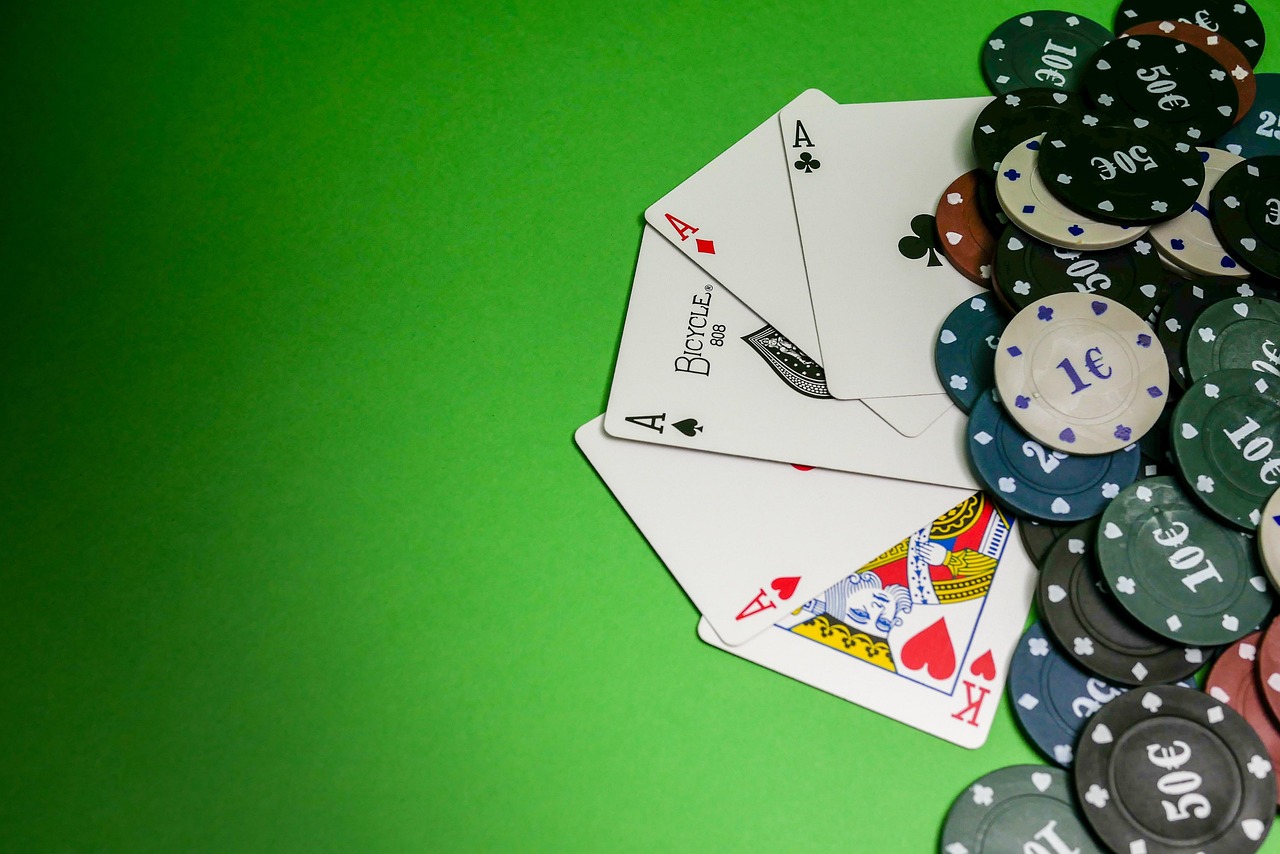
Two players sit side by side at the same online casino. Both load the identical slot, both spin for an hour at the same stake, and both lose $100. One is furious. The other is thrilled. The difference isn't luck, and it isn't the game. It's volatility, and understanding it is probably the single most useful thing you can do before you press spin on any slot ever again.
Most players obsess over RTP (return to player), that friendly little percentage stamped on every game's info page. RTP tells you what a slot pays back over millions of spins. But RTP says almost nothing about what your session will actually feel like. Volatility is the missing half of the equation, and it's the half that decides whether your bankroll survives to see the bonus round at all.
What Slot Volatility Actually Means
Volatility — sometimes called variance — describes how a slot distributes its payouts. A low-volatility game pays small amounts frequently. Frequent little wins keep your balance ticking over, your session stretches out, and the ride is smooth. A high-volatility slot does the opposite: long, brutal dry spells punctuated by rare, enormous hits. The average return can be identical between the two, but the experience is night and day.
Here's a concrete example. Two slots both have an RTP of 96%. Slot A has a max win of 250x your stake and hits the bonus round roughly once every 80 spins. Slot B has a max win of 50,000x and triggers its feature once every 400 spins. If you sit down with $50 on Slot B expecting steady entertainment, you'll be staring at a dead screen for most of your session. That's not the game being rigged. That's the game behaving exactly as designed. If this is new to you, สล็อต is a sensible next read.
How to Tell a Slot's Volatility Before You Play
Slot volatility isn't a secret. Developers and casinos label it openly, and you can spot it in a few places:
- Game info screen: Almost every modern slot states low, medium, or high volatility directly.
- Max win figure: A 5,000x+ potential almost always signals high volatility. A 250x cap signals low.
- Bonus frequency: Free spin features that trigger every 50–100 spins suggest lower variance; ones that can go 500+ spins without appearing suggest the opposite.
- Hit rate: Some providers publish the percentage of spins that return anything at all. Anything above 30% is generous; below 20% is a grinder.
Book of Dead, the classic that every player has tried, sits firmly in the high-volatility camp — huge expanding-symbol potential, punishing dead spins. Starburst, by contrast, is the poster child for low volatility: tiny frequent refunds, a 500x max win, and a reputation for keeping players entertained far longer than their balance deserves.
Volatility, Bankroll, and the Math Nobody Does
Here's where it stops being theory. Your bankroll should decide which volatility you play, not your mood. A rough rule many experienced players use: your session bankroll should be at least 100x your stake on a medium-volatility slot, and 200–300x on a high-volatility one.
Compare it this way. A player with $100 and a $1 spin on a low-volatility slot can realistically expect hundreds of spins and a slow, gentle decline. The same player on a 50,000x high-volatility beast with $1 spins is gambling on hitting a miracle before the dry spell eats them. Both decisions are valid — but only one of them is a decision. The other is a coin flip.
If you're playing on a bonus with wagering requirements, volatility matters even more. High-volatility slots clear wagering slowly and unpredictably because your balance swings wildly. Low-volatility games grind through requirements more reliably, even if the wins feel underwhelming.
Beyond Slots: Volatility in Poker and Sports Betting
The same principle governs every corner of iGaming. In poker, a cash game player with a 10 buy-in bankroll is deliberately choosing variance they can survive. A tournament player knows that 70% of their cashes come from 5% of their tournaments. That's just poker's version of a high-volatility slot — long droughts, rare glory.
In sports betting, a -110 spread bet is low volatility: you risk $110 to win $100, and you'll get fairly steady feedback. A 12-leg accumulator at 5,000/1 is maximum volatility. The expected value might even be similar before the bookmaker's margin, but the ride is completely different. If you're reloading your account every weekend because your accas never land, the problem usually isn't your analysis. It's that you've chosen variance you can't afford.
Even in live dealer games, there's a version of this. A basic strategy blackjack player faces low volatility; someone pressing max bets on a single hand of Dragon Tiger is opting into pure chaos. The game didn't change. The variance did.
Matching Volatility to Your Goal
Before your next deposit, be honest about what you actually want from the session:
- Want to be entertained for hours on a modest budget? Play low or medium volatility. Accept that a huge win probably isn't coming.
- Chasing a life-changing hit and can stomach losing your balance without flinching? High volatility is built for you, provided your bankroll can absorb the drought.
- Clearing a bonus with wagering requirements? Lean toward low-to-medium volatility for reliable, consistent play.
- Playing with money you need? None of the above. Volatility selection only works when the money at risk is genuinely disposable.
There's no universally "best" volatility. Low-volatility players sleep well. High-volatility players occasionally post six-figure screenshots and mostly post silence. The only wrong choice is playing a style that doesn't match your bankroll, your patience, or your expectations.
The Takeaway That Actually Changes Your Play
RTP tells you what the casino takes. Volatility tells you what it feels like while it takes it — and crucially, what it sometimes gives back. Once you start reading volatility the way you read paytables, a lot of frustration disappears. You stop blaming a game for a dry spell it warned you about. You stop grinding wagering on games built to punish that strategy. And you start choosing slots not because a streamer hit 10,000x on them last night, but because they fit the way you actually want to play today. That's not a trick for squeezing out more wins. It's simply the smartest way to sit down at the table — aware of what you're signing up for before the first spin, rather than three hundred spins later.






John Doe
14 January, 2022Having no content in post should have adverse..
Chauffina Carr
10 April, 2022We use these tests all time! Killer stuff!
Jim Séchen
16 July, 2022Thanks for all the comments, everyone!